How Customer Conversations Turn Into 5-Star Reviews: Restaurant Owner's Guide
The Five-Minute Talk That Changed Everything
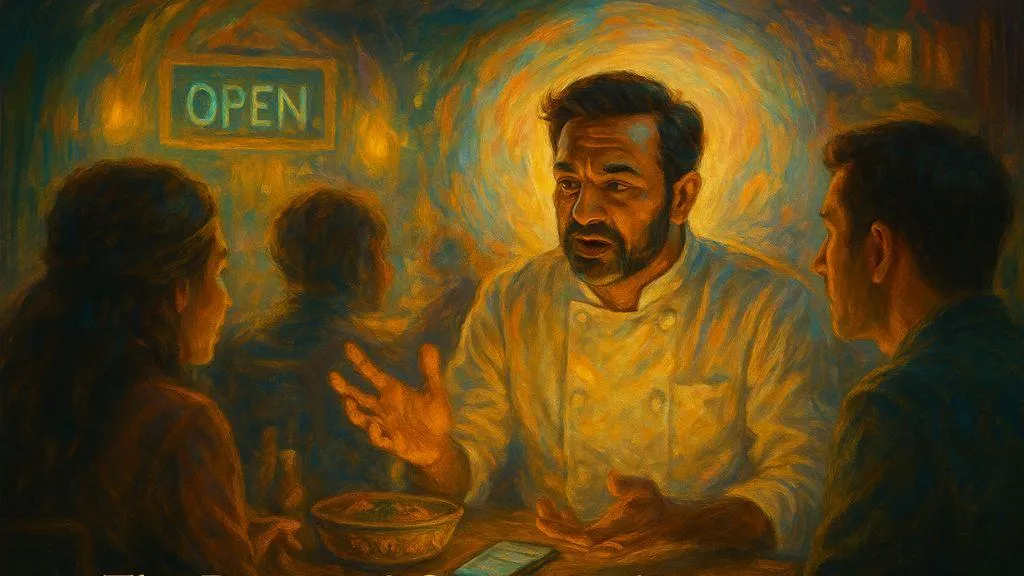
Let me tell you about something that happened at a restaurant in Fresno, California. A customer came in to pick up their takeout order. The owner, Ash, could have just taken the payment and said "thank you, have a nice day." The whole thing would have taken two minutes.
But instead, something different happened. Ash started a real conversation. He asked how the customer found them. The customer mentioned they spent twenty minutes researching Indian restaurants before choosing Mirchi Masala. Ash asked what made them choose his restaurant over others.
The conversation kept going. The customer asked about the menu. They asked about weekend hours. By the time they left, five minutes had passed. And that customer didn't just leave with their food. They left feeling connected. They left feeling special. They left knowing they made the right choice.
What happened next? That customer left a glowing review online. They booked a table for the weekend. They told their friends about this amazing restaurant with the friendly owner who actually cared.
That five-minute conversation turned one customer into three customers. Then five. Then ten. All because Ash understood something important. Every single conversation with your customers matters.
Your Customers Are Detectives Before They're Diners
Here's something you need to know. Your customers don't just randomly walk into your restaurant anymore. Not in today's world. They do research first. Lots of research.
Before someone comes to your Indian restaurant, they look at many things. They look at your menu online. They read your reviews. They look at photos of your food. They watch videos if you have them. They compare you to other restaurants. They read what people say about you.
By the time they walk through your door, they already have an opinion about you. They already decided if you're worth their money and time. They already have expectations.
This means something very important. The experience you give them in person must match what they saw online. Actually, it needs to be better than what they saw online. It needs to exceed their expectations.
If your online presence looks amazing but your in-person service is cold and rushed, you lose. The customer feels disappointed. They might not come back. They might leave a bad review saying "It looked better online."
But if your online presence looks good and your in-person experience is even better? Magic happens. The customer feels happy. They feel like they discovered something special. They want to tell everyone about it.
The Power of One Star
Let me share something that might surprise you. Research has shown that restaurant reviews have huge power. One single star improvement in your average rating can boost your revenue by five to nine percent.
Think about that. Just one star. Not a complete transformation. Not becoming perfect. Just getting a little bit better in how customers rate you.
Why does this happen? Because people trust other people. When someone is choosing between two Indian restaurants, and one has four stars while the other has five stars, which do you think they choose? Most people choose the five-star restaurant. Even if it costs a little more. Even if it's a little further away.
Reviews are the most powerful marketing you can have. More powerful than any advertisement. More powerful than any fancy website. Because reviews are real people sharing real experiences.
And here's the thing. You control whether people leave good reviews or bad reviews. Not by begging for five stars. Not by offering discounts for reviews. But by giving them an experience worth talking about.
That experience starts with conversation. With connection. With making them feel valued.
The Ash Method: Turning Checkout Into Connection
Let me tell you more about Ash from Mirchi Masala. Because what he does is not complicated. It's not expensive. It's not some secret technique. But it works incredibly well.
Most restaurant owners treat checkout like a quick transaction. Scan the card. Print the receipt. Say thank you. Next customer. It takes thirty seconds. It's efficient. But it's also cold. It's forgettable.
Ash does something different. He uses checkout time as connection time. He asks questions. Real questions that he actually cares about the answers to.
"How did you hear about us?" he asks. Not in a scripted way. In a genuinely curious way.
Customers tell him. They say "I searched on Google" or "My friend told me" or "I saw your reviews." Then Ash asks follow-up questions. He shows interest. He makes conversation feel natural.
Sometimes customers mention they researched several restaurants before choosing his. Ash doesn't just say "Oh, that's nice." He engages with it. "Really? How long did you research? What made you pick us?" He asks with a smile. With real interest.
Customers love this. Why? Because someone is actually listening to them. Someone cares about their decision-making process. Someone values their choice.
During these conversations, customers often ask questions. "Do you have this dish?" "When are you open on Sunday?" "Can I book a table?" Ash answers every question. He gives information. He helps them plan their next visit before they even finish their current visit.
The result? Customers don't just leave happy. They leave connected. They leave as if they made a friend, not just bought food. And people talk about their friends. People review their friends positively. People come back to see their friends.
Ash doesn't do this because he read it in a business book. He does it because he genuinely cares. That's the secret. Authenticity. Real connection. Not fake scripts or trained phrases. Just real human interaction.
From Nine Hundred to Thirty-Five Hundred Reviews
Now let me tell you about another restaurant. Curry and Ketchup in Oslo, Norway. This restaurant did something incredible. In just six months, they increased their online reviews from nine hundred to over thirty-five hundred.
How? Did they run a huge advertising campaign? Did they offer free food for reviews? Did they hire a marketing agency? No. None of that.
They trained their team. That's it. That's the secret.
They trained every single person working at the restaurant to provide what they call "unreasonable hospitality." This means going beyond what's expected. This means making every single customer feel special. This means having real conversations. This means remembering regular customers. This means caring about the experience, not just the transaction.
They also trained their team on what to say when customers ask questions. Not scripted responses. But genuine, helpful information. When a customer asks "Why should we choose your restaurant?" the team knows how to answer. They know the story. They know what makes the restaurant special. They share it naturally.
The management created systems. Systems for greeting customers. Systems for handling complaints. Systems for following up after the meal. Systems for asking for feedback. Nothing complicated. Just consistent, excellent service every single time.
What happened? Customers started leaving reviews naturally. Not because they were pushed or incentivized. But because they had experiences worth talking about. They wanted to share their positive experience. They wanted other people to know about this gem they discovered.
And as the reviews increased, more customers came. Those new customers had great experiences. They left reviews. More customers came. The cycle continued.
This is what happens when you focus on the customer experience. When you train your team well. When you make every conversation count.
The Review Loop That Grows Your Restaurant
Let me explain how this works. It's a simple loop, but it's powerful.
Step one: A customer is looking for an Indian restaurant. They do research. They find your restaurant online. Your reviews look good. Your photos look delicious. They decide to try you.
Step two: They come to your restaurant. They have an experience. Maybe they talk to the owner or a friendly server. Maybe someone makes them feel welcome. Maybe the food exceeds their expectations. Maybe they learn something interesting about Indian cuisine.
Step three: That experience creates a feeling. If the feeling is positive and memorable, they want to share it. They leave a review. They post on social media. They tell their friends.
Step four: New customers see that review. They see that social media post. They hear from their friend. They decide to try your restaurant. The loop starts again.
This is how restaurants grow organically. Not through expensive marketing. Not through discounts and promotions. Through genuine experiences that people want to talk about.
But here's the key. The loop only works if step two is excellent. If the actual experience is forgettable or disappointing, the loop breaks. Customers might come once, but they don't review positively. They don't tell friends. They don't come back.
Your job as a restaurant owner is to make sure step two - the actual experience - is always excellent. And that starts with training your team. With having real conversations. With making people feel valued.
Ready to create experiences that customers rave about? Before you even think about joining any program, let's talk about your specific restaurant. Every restaurant is different. Your challenges are unique. Your opportunities are specific to you. Book a free call with us to discuss what's really holding your restaurant back and what's possible for your future. No pressure. No sales pitch. Just honest conversation about your restaurant's growth. Click here to book your free strategy call - we only have a few slots available each week.
Why Visuals Matter More Than You Think
Let me talk about something uncomfortable. Your photos and videos might be killing your business. I'm serious. Even if your food is amazing, even if your service is perfect, if your online visuals look bad, you lose up to eighty percent of potential customers before they even consider visiting.
Think about it. When someone searches for Indian restaurants, they see options. They click on a few. They look at the photos. If your photos look dark, blurry, or unappetizing, they move on. They don't even read your reviews. They don't check your menu. They just move to the next option.
This is harsh but true. We live in a visual world. Instagram. Facebook. Google. TikTok. Everywhere people look, they see images and videos. Your potential customers are used to seeing beautiful, professional-looking food content. If yours doesn't match that standard, you look amateur. You look like you don't care.
"But my food tastes great!" you might say. I believe you. But people can't taste your food through their phone screen. They can only see it. And if what they see doesn't make them hungry, they won't come to taste it.
The good news? You don't need expensive equipment or professional photographers. You just need to put in effort. Good lighting. Clean plates. Nice presentation. A steady hand when taking photos. A few seconds to make sure the image looks appetizing before you post it.
Even better, show behind-the-scenes content. Show your kitchen. Show your chef preparing dishes. Show the care that goes into each meal. Show your team. Show real customers enjoying food. This content feels authentic. It feels real. It makes people want to experience it themselves.
Videos are even more powerful than photos. A fifteen-second video of steam rising from fresh biryani. A video of naan bread being slapped into a tandoor oven. A video of a customer's first reaction to trying your food. These videos stop people from scrolling. They make people hungry. They make people want to visit.
Your visuals are the first impression. Make them count.
What Your Team Needs to Know
Here's a truth that many restaurant owners don't want to hear. You can't do everything yourself. You can't be there every minute of every day. You can't talk to every customer personally.
But you can train your team to represent you well. You can teach them how to have meaningful conversations. You can show them how to make customers feel valued.
This training doesn't need to be complicated. It doesn't need to be formal classes or expensive consultants. It can be simple and practical.
Teach them your story. Why did you start this restaurant? What makes your food special? What's unique about your recipes? When customers ask "What should I order?" or "What makes you different?" your team should know how to answer. Not with generic responses. With genuine stories that make your restaurant memorable.
Teach them to ask questions. Not scripted questions. Real, curious questions. "Is this your first time here?" "How did you hear about us?" "What brought you in today?" These questions start conversations. They show interest. They make customers feel noticed.
Teach them to listen. This might be the most important skill. When a customer talks, really listen. Don't just wait for your turn to talk. Pay attention. Remember what they say. If a customer mentions they're celebrating something, acknowledge it. If they mention they love spicy food, suggest your spiciest dish. Listening creates connection.
Teach them to handle complaints gracefully. Not every experience will be perfect. Sometimes food takes too long. Sometimes an order is wrong. Sometimes a customer is unhappy. Train your team to handle these moments well. Apologize sincerely. Fix the problem quickly. Follow up to make sure they're satisfied. A complaint handled well can turn an upset customer into a loyal one.
Teach them the power of the first and last minute. The greeting when customers arrive sets the tone. The goodbye when they leave is the last impression. Both matter enormously. A warm "Welcome! We're so glad you're here!" makes people feel good. A genuine "Thank you for coming. We hope to see you again soon!" makes people want to return.
When your team knows these things, your restaurant becomes consistent. Customers get the same excellent experience whether you're there or not. This consistency builds your reputation. This consistency creates trust.
The First Impression Starts Before They Arrive
Let me share something important. The customer experience doesn't start when they walk through your door. It starts the moment they find you online.
When someone searches for your restaurant, what do they see? What information do they find? How easy is it to find your menu? Your hours? Your location? Your contact information?
If these basic things are hard to find or out of date, you create frustration before the customer even visits. You start the relationship on a negative note.
Make sure your online information is correct and complete everywhere. Google. Facebook. Instagram. Your website. Delivery apps. All of it should match. All of it should be current.
Make sure your menu is easy to read. Photos help people understand what they're ordering. Descriptions help them make decisions. Prices need to be clear. Nothing frustrates customers more than confusion about what they're getting or what it costs.
Make sure you respond to reviews. All of them. Thank people for positive reviews. Respond professionally and helpfully to negative reviews. Show that you're paying attention. Show that you care about feedback.
Make sure your phone is answered. If someone calls to ask a question or make a reservation, answer professionally and helpfully. Don't be short or rushed. Remember, this might be their first interaction with your restaurant. Make it positive.
All of these things create the first impression. Get them right, and customers arrive with positive expectations. Get them wrong, and customers arrive skeptical or frustrated.
The Owner Is the Heart, But the Team Is the Body
People often say the owner or founder is the heart of a restaurant. This is true. The owner has the vision. The passion. The dream. The owner cares most deeply because this is their creation.
But a heart alone doesn't make a body function. You need lungs. You need muscles. You need a brain. You need a complete, working system.
Your team is the rest of the body. And a great leader takes their passion and puts it into the team. A great leader creates a culture where everyone cares. Where everyone feels ownership. Where everyone represents the restaurant well.
Ash from Mirchi Masala has this. His passion is obvious. But he's also built a team that shares his values. That treats customers the way he would treat them. That cares about quality the way he cares about quality.
Curry and Ketchup in Oslo has this. The management created systems and culture that allow the team to provide excellent service consistently. Every team member knows they're part of something special. Every team member takes pride in their work.
This doesn't happen automatically. This takes leadership. This takes training. This takes communication. This takes leading by example every single day.
But when you build this kind of team, your restaurant can grow beyond what you alone could achieve. Your restaurant becomes bigger than just you. It becomes an organization that provides excellent experiences consistently.
Your Restaurant Is a Story, Not Just a Building
Stop thinking of your restaurant as just a place that serves food. Start thinking of it as a story that people become part of.
Every customer who walks in becomes a character in your story. Every meal they eat is a chapter. Every conversation they have with you or your team adds to their experience. Every review they leave adds to your restaurant's narrative.
When customers feel like they're part of a story - something meaningful and special - they connect emotionally. They don't just like your food. They care about your restaurant. They want you to succeed. They become advocates, not just customers.
How do you create this story? Through the details. Through the conversations. Through showing who you are and what you care about.
Tell customers where your recipes come from. Share that your grandmother taught you how to make this dish. Explain that you source this spice from a specific region in India. Mention that your chef has twenty years of experience. These details create narrative. They create meaning beyond just "this tastes good."
Show the human side of your restaurant. Post photos of your team celebrating birthdays. Share stories about long-time employees. Talk about what your restaurant means to the community. Let people see the real humans behind the business.
Create traditions. Maybe you have a special dish available only on certain days. Maybe you celebrate Diwali in a special way. Maybe you have a regular customer appreciation day. These traditions become part of your story that people want to participate in.
When you build a story, not just a restaurant, people remember you. They talk about you. They come back because they want to be part of the ongoing narrative.
The Feeling Is What They Remember
Let me tell you something important. A month from now, your customers won't remember exactly what they ate. They might not remember the specific flavors or every dish they ordered.
But they will remember how they felt. They will remember if they felt welcomed. If they felt valued. If they felt like they mattered. If they felt happy.
Maya Angelou said: "People will forget what you said, people will forget what you did, but people will never forget how you made them feel."
This is absolutely true for restaurants. The feeling is what creates loyalty. The feeling is what creates word-of-mouth marketing. The feeling is what turns first-time visitors into regular customers.
So every single interaction needs to create the right feeling. Not just the food. Everything.
The greeting at the door. The way servers explain the menu. The smile when bringing the check. The thank you when they leave. The response to their online review. The reply to their question on social media.
Every single touchpoint is an opportunity to create a positive feeling. Or to create a negative one. You choose which one through how you train your team and what standards you set.
Ask yourself: How do I want customers to feel when they visit my restaurant? Write it down. Then train your team to create that feeling consistently.
Maybe you want them to feel like family. Like they're coming home. Then your service should be warm and comfortable and personal.
Maybe you want them to feel adventurous. Like they're experiencing something new and exciting. Then your service should be energetic and educational and fun.
Whatever feeling you want to create, be intentional about it. Make it happen on purpose, not by accident.
Take Action Tomorrow Morning
You've read a lot of information. Now let's make it practical. What can you actually do? Where do you start?
Here are specific actions you can take starting tomorrow:
Action One: Train your team on conversations. Spend thirty minutes with your staff. Talk about the importance of real conversations with customers. Role-play some scenarios. Show them how to ask good questions. Show them how to listen. This doesn't need to be formal training. Just thirty minutes of real discussion.
Action Two: Fix your online presence. Spend one hour checking all your online information. Google. Facebook. Instagram. Your website. Make sure hours are correct. Make sure the menu is current. Make sure photos look good. Fix anything that's wrong or outdated.
Action Three: Create a review request system. Decide how you'll ask satisfied customers for reviews. Maybe you ask in person before they leave. Maybe you send a text message the next day. Maybe you include a card with takeout orders. Whatever method you choose, start doing it consistently.
Action Four: Improve your visuals. Take thirty new photos of your most popular dishes. Use good lighting. Make sure plates look clean and food looks appetizing. Post the best ones online. Delete old photos that don't look good.
Action Five: Respond to reviews. Spend twenty minutes responding to recent reviews you haven't replied to yet. Thank people for positive reviews. Address concerns in negative reviews professionally. Show that you're paying attention.
Action Six: Create a greeting and goodbye script. Not a rigid script that sounds fake. But guidelines for how you want customers greeted when they arrive and thanked when they leave. Make sure every team member knows these guidelines.
These actions don't cost money. They just require time and intention. But they will make a real difference in how customers experience your restaurant.
Frequently Asked Questions
How do I train my team to have better conversations without sounding fake or scripted?
The key is authenticity. Don't give your team a script to memorize. Instead, teach them the principles. Teach them to be genuinely curious. Teach them to care about customers as people, not just as transactions. Practice with role-playing where you give feedback on what feels natural versus what feels fake. The best conversations come from real interest, not memorized lines.
What if my team is too busy during rush hours to have long conversations?
Conversations don't need to be long to be meaningful. Even thirty seconds of genuine interaction is better than a cold transaction. A simple "Welcome! We're so happy you're here!" with a real smile creates connection. "Thank you so much for coming. Please come back soon!" said with warmth makes people feel valued. Focus on quality, not length.
How do I get customers to leave reviews without begging or offering discounts?
The best approach is simple and direct. After a great experience, when a customer is clearly happy, just ask: "We'd really appreciate if you could share your experience online. Your feedback helps other people discover us." Most happy customers are willing to leave reviews when asked politely. Never offer incentives for reviews - it's against most platform policies and feels transactional rather than genuine.
What if we get a negative review? How should we respond?
Respond quickly and professionally. Apologize for their experience. Don't make excuses or argue. Offer to make it right - maybe invite them back for a complimentary meal to fix the problem. Take the conversation offline by providing contact information. Show future customers that you handle complaints well. A good response to a negative review can actually build trust.
Our photos look okay to us. How do we know if they're actually hurting our business?
Compare your photos to successful restaurants in your area or successful Indian restaurants in other cities. Do yours look as appetizing? As professional? As clear? Ask honest friends for feedback. If you're getting decent website traffic but few customers, visuals might be the problem. Consider investing in one professional photo shoot to set a standard, then try to match that quality with your own photos going forward.
Is it worth investing time in social media when we're already busy running the restaurant?
Yes, because social media is where customers discover you and decide whether to visit. Even fifteen minutes a day can make a big difference. Post one good photo or video. Respond to a few comments. Share a story. This consistent presence keeps you visible and relevant. You don't need to be perfect or spend hours. Just be consistent and authentic.
How do we create that "unreasonable hospitality" on a limited budget?
Unreasonable hospitality isn't about expensive gestures. It's about exceeding expectations in small ways. Remembering a regular customer's favorite dish. Bringing a free dessert when someone mentions it's their birthday. Checking in after someone's meal to make sure everything was perfect. Walking someone to the door when it's raining. These gestures cost little or nothing but create memorable experiences.
What if the owner/founder isn't naturally good at conversations and connection?
That's okay. Not everyone is naturally outgoing. You can learn these skills with practice. Start small - challenge yourself to have one meaningful conversation per day. Focus on asking questions and listening rather than talking a lot. You can also empower a team member who is naturally good with people to be the face of customer interactions. The owner doesn't have to do everything.
How often should we update our menu photos and online content?
Update photos whenever you have new items or when your current photos start to look outdated. Aim to post new content at least a few times per week. This doesn't mean changing your menu constantly - it means showing your existing offerings in fresh ways. Behind-the-scenes content, customer features, and team spotlights can keep your feed interesting without changing your actual menu.
Can these strategies work for small restaurants or only big ones?
These strategies work especially well for small restaurants! Small restaurants can be more personal and authentic than large chains. You can know your customers by name. You can make changes quickly. You can create that family atmosphere. Use your size as an advantage. Big restaurants struggle to feel personal - you can provide what they can't.
We're Growing and We Want to Help You Grow Too
Let me share something exciting with you. For years, we've focused on helping Indian restaurants grow. We've worked with over nine hundred Indian restaurant owners. We've learned what works. We've seen incredible transformations.
But we've realized something. The strategies that help Indian restaurants succeed can help all restaurants succeed. The principles of great customer experience, authentic conversation, smart marketing - these work for every type of cuisine.
So we're expanding. We're now working with restaurants of all types. Italian. Mexican. Chinese. Thai. American. Whatever cuisine you serve, we can help you grow.
Why am I telling you this? Because if you own or manage any type of restaurant, these strategies apply to you. The stories in this article about Ash and Curry and Ketchup - you can create similar success stories with your restaurant.
But here's the thing. Every restaurant is different. Your challenges are unique to you. Your opportunities are specific to your situation. Your market is different from every other market.
That's why we don't believe in one-size-fits-all solutions. We don't believe in generic advice that might work or might not. We believe in understanding your specific situation first. Then creating a plan that works for you.
Let's Talk About Your Restaurant
Before you join any program or challenge, let's have a real conversation. No sales pitch. No pressure. Just honest discussion about where your restaurant is now and where you want it to be.
Maybe you're struggling to get enough customers through the door. Maybe you have customers but not enough repeat visits. Maybe your reviews aren't where you want them. Maybe your team needs training but you don't know where to start. Maybe you're working eighty hours a week and need to build systems.
Whatever your challenge, let's talk about it. On this call, we'll discuss:
What's currently working well in your restaurant
What's holding you back from growth
What your specific challenges are
What opportunities exist for your restaurant
Whether we can actually help you (we're honest if we can't)
What your next steps should be
This call costs nothing. It obligates you to nothing. It's simply a conversation between restaurant people. We've been where you are. We understand the challenges. We want to help.
If after the call we both agree that we can help you grow, great. We'll talk about what that looks like. If we're not the right fit, we'll tell you honestly and maybe point you toward resources that can help.
But either way, you'll walk away from the call with clarity. With ideas. With a better understanding of what's possible for your restaurant.
Book your free strategy call now. We only have a few slots available each week because we give each restaurant owner our full attention. Don't wait and find out we're booked for the next month.
Click here to schedule your free restaurant strategy call
After the call, if it makes sense, we can talk about joining our Restaurant Growth Challenge. But first, let's just talk about you and your restaurant. Let's understand your situation. Let's see if we can help.
Your Restaurant's Legacy Starts With Today's Conversations
Let me bring this full circle. Your restaurant is more than a business. It's more than a place that serves food. It's a collection of moments. A series of conversations. A string of experiences that people remember.
Every customer interaction either builds your legacy or diminishes it. Every review either strengthens your reputation or weakens it. Every training session with your team either improves your service or keeps it stagnant.
The question is: What legacy are you building? What do you want people to say about your restaurant in five years? In ten years? When someone mentions your restaurant's name, what feeling do you want people to have?
That legacy doesn't build itself. It's not about luck. It's not about being in the right location or having the right timing. It's about intentional choices you make every single day.
The choice to train your team well. The choice to have real conversations. The choice to make every customer feel valued. The choice to maintain high standards. The choice to care about the details.
These choices compound. One good conversation leads to one good review. That review brings three new customers. Those customers have good experiences. They each leave reviews. They each bring more customers. Over months and years, these compounding effects create something powerful. They create a restaurant that people love. That people talk about. That people choose over and over again.
But it starts today. With the next customer who walks through your door. With the next review you respond to. With the next training session you do with your team. With the next photo you post online.
Don't wait for things to magically get better. Don't hope that somehow customers will just start flooding in. Don't keep doing the same things and expect different results.
Take action. Make changes. Build systems. Train your team. Have real conversations. Create experiences worth talking about.
Your restaurant's best days are not behind you. They're ahead of you. But only if you choose to build them intentionally.
The first step is a conversation. A conversation about your restaurant and what's possible. Book your free strategy call today and let's start building your restaurant's legacy together.
Schedule your call now - limited spots available this month
Your customers are waiting for experiences worth remembering. Your team is waiting for leadership that inspires them. Your restaurant is waiting for you to unlock its full potential.
The question is: Are you ready to start building something truly special?
The conversation starts now. Let's talk.
Retry
