The Chaos and the Beauty: What Actually Makes a Restaurant Unforgettable
To be honest, it is chaos.
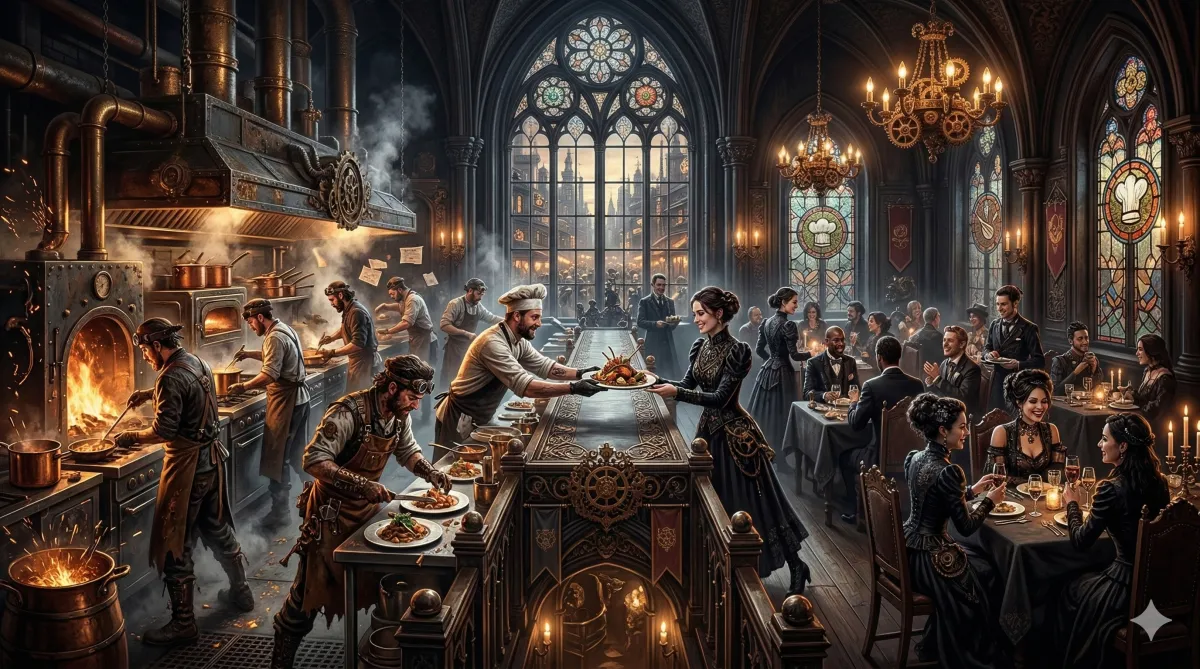
The kitchen is pressure. Constant pressure. Emotions running high. Heat everywhere. Orders flying. Chefs moving like they are choreographed but also improvising every second. There is tension and there is release and there is tension again. It never stops.
But then you step outside. Into the dining room.
And it is completely different.
Beautifully dressed people. Different colors. Different cultures. Conversations overlapping into a sound that comes together like a big band singing a slow song. You see your staff with those smiles—genuine ones—putting their best effort into making every customer's experience exceptional. Providing the service and hospitality you trained them for. Living the culture you built.
This is a restaurant.
Chaos in the back. Beauty in the front. And somehow, when it all works, magic in between.
The One Thing That Makes Everything Else Work
Here is something I have learned after years in this industry:
The most prestigious part of a restaurant is its food.
When the food is actually very good—not good enough, not decent, but genuinely exceptional—the rest follows. Everything else becomes easier.
Great food creates great conversations. Great conversations create word of mouth. Word of mouth creates reputation. Reputation creates demand. Demand creates sustainability.
But most restaurants get this backwards. They focus on marketing before they have mastered the product. They chase visibility before they have something worth seeing.
The restaurants that win? They obsess over the food first. They let the chefs work their magic. They give the kitchen the respect and resources it deserves. And then—only then—do they turn their attention to telling the world about it.
The Art of Word of Mouth
There is an art to this.
You take what the chefs create—the magic, the story behind every dish—and you combine it with what customers are actually saying about it.
You listen to how people describe your food. The words they use. The moments they remember. The dishes they tell their friends about.
And then you use those words yourself.
This is called word of mouth. But it is more than just hoping people talk about you. It is understanding HOW they talk about you—and then amplifying that.
When you have mastered word of mouth, you finally know how to talk about your restaurant. You are not guessing at marketing messages. You are reflecting back what is already true.
And that authenticity? People feel it. They trust it. They respond to it.
Designing the Dream (Without Creating a Nightmare)
Let me talk about something that can make or break a restaurant before a single customer walks in.
The space.
Designing your dream restaurant is exactly that—a dream. But it can also become the worst nightmare if done wrong.
I have seen Indian restaurants that are simple and modern. Beautiful in their restraint. Every element intentional.
I have seen Indian restaurants that do too much. Overwhelming. Cluttered. Trying to be everything and becoming nothing memorable.
Both approaches can work. It depends on your vision, your market, your brand.
But here is the mistake I see constantly:
Designing based only on what YOU like.
That will hurt the brand. Because a restaurant is not for you. It is for your team and your customers. Every decision about location, atmosphere, lighting, plates, tables—all of it should carry the essence of your culture and values. Triggers that are easily visible and eye-catching. But not too much. Balance.
And here is something most owners forget:
The space must work for your staff, not just your customers.
The area should be architected systematically so your team can easily participate and access everything they need. Great hospitality relies on being easily accessible. Structured. Organized. When the space works for your team, their work feels like play. And when work feels like play, customers feel the difference.
Connect the Dots
Let me show you the pattern. Because once you see it, you cannot unsee it.
Step 1: Great Food
This is the foundation. The product must be exceptional. Not good. Exceptional. This is where everything starts.
Step 2: Exceptional Customer Experience
The food opens the door. The experience makes people stay. Service, atmosphere, attention to detail—this is what transforms a meal into a memory.
Step 3: Word of Mouth Becomes Easy
When the food is great and the experience is exceptional, people talk. You do not have to beg for reviews or manufacture buzz. It happens naturally.
Step 4: Identify What You Stand For
Now you listen. You analyze the feedback. You notice the patterns. You combine what customers say with what you love—your personality, your values, your vision. This becomes your brand identity.
Step 5: Define Your Core Messaging
This is where most restaurants fail. They skip this step entirely.
Your brand identity must be translated into words. Clear, compelling, consistent messaging that captures what your restaurant stands for. This takes time. It might take weeks or months to get right. But once you have it, everything becomes easier.
Step 6: Use It Everywhere
Your core messaging becomes the foundation for everything: content, creatives, blogs, emails, stories, captions, descriptions, video, audio, text, images. Every piece of communication carries the same essence.
This makes life easier for everyone—your content creators, your marketing team, your staff, yourself. Everyone knows what the brand stands for. Everyone becomes it.
The Question No One Asks (But Everyone Should)
Winning awards is one thing.
Being at the top is one thing.
But can you stay there?
Can you maintain that identity? Can you stand by the brand's unique essence year after year? Or will it die out?
I have watched restaurants reach the top and then lose themselves. The success made them blind. They stopped doing what got them there. They assumed the reputation would carry them. It did not.
I have also watched restaurants reach the top and become better. The success made them sharper. Better leaders. Better builders. Better thinkers. They used the momentum to go deeper, not wider.
The difference?
Never getting ahead of yourself.
Every second counts. Every plate matters. Every customer interaction is a chance to reinforce or undermine everything you have built.
The restaurants that stay at the top understand this. They never coast. They never assume. They keep showing up with the same intensity they had when they were fighting to get noticed.
Why I Do This
I need to tell you something personal.
This feels like play to me. Not work.
I know that sounds strange. The restaurant industry is brutal. The hours are long. The margins are thin. The stress is constant.
But I love it.
I love the chaos and the beauty. I love watching a team come together. I love seeing a restaurant find its voice and then use that voice to reach people who were waiting for exactly what they offer.
I have spent years studying this. Talking to restaurant owners. Understanding what works and what does not. And the more I learn, the more I want to share.
That is why I write these things. That is why I give away as much value as possible. Because I want restaurant owners to read something and think: "That was worth it. That actually helped."
If even one idea in this piece makes your restaurant better—helps you see something you could not see before—then it was worth writing.
The Pattern, One More Time
Let me leave you with this:
Great food creates the foundation.
Exceptional experience creates the memory.
Word of mouth creates the reputation.
Brand identity creates the consistency.
Core messaging creates the clarity.
Relentless execution creates the longevity.
This is the pattern. Every successful restaurant I have ever studied follows it—whether they know it or not.
The ones who know it consciously? They move faster. They make fewer mistakes. They build something that lasts.
If This Helped
If any of this resonated—if you are building a restaurant and want to talk about brand, messaging, experience, or growth—I want to show you something.
We have taken everything I have learned about restaurant success and built it into a system called Restaurant Growth OS.
It is not just marketing. It is demand control. Brand building. The entire pattern I described above—systematized so it actually runs.
Explore Restaurant Growth OS →
See how it works. See if it fits where you are and where you want to go.
Or if you prefer to talk directly:
Send an email to [email protected]
Tell me about your restaurant. What you are building. What you are struggling with. What you want people to feel when they walk through your doors.
I read every message. I respond personally.
Because the restaurant industry needs more people who care deeply about getting it right.
And I have a feeling you might be one of them.
Frequently Asked Questions
What do you mean by "the food is the most prestigious part"?
Everything flows from the product. Great food makes marketing easier, word of mouth natural, and customer retention automatic. Without great food, every other effort is pushing uphill. With great food, everything else becomes possible.
How do I figure out my restaurant's core messaging?
Listen to your customers. Notice what words they use to describe you. Identify the patterns in feedback and reviews. Combine that with your own values and vision. The intersection of what customers say and what you believe is where your messaging lives.
How long should it take to define my brand identity?
As long as it takes to get it right. Some restaurants find it in weeks. Some take months. Do not rush it. A clear brand identity will guide every decision for years. A vague one will create confusion at every turn.
Should I design my restaurant based on my personal taste?
Your taste matters, but it cannot be the only factor. The space must work for your team (so they can deliver great service) and for your customers (so they feel the experience you want to create). Balance your vision with practical function.
What separates restaurants that stay at the top from those that fall?
The ones that stay never get ahead of themselves. They maintain the intensity and attention to detail that got them there. They keep evolving while staying true to their identity. The ones that fall assume their reputation will carry them—and stop doing the work.
How do I create word of mouth for my restaurant?
You do not create it—you earn it. Great food plus exceptional experience equals people talking. Your job is to listen to how they talk about you and then amplify those authentic messages in your own marketing.
What is the biggest mistake restaurants make with branding?
Skipping the foundational work. They jump straight to logos and Instagram posts without defining what they actually stand for. That creates inconsistency, which creates confusion, which kills trust.
How do I know if my restaurant's messaging is working?
When your team can articulate what the brand stands for without hesitation. When your marketing feels effortless because everyone knows the voice. When customers describe you exactly the way you describe yourself.
Why do you give away so much for free?
Because this feels like play to me. I love this industry and I want restaurant owners to succeed. If something I write helps someone build something better, that is its own reward. The restaurants that resonate with this approach often become the ones I end up working with anyway.
How do I reach you if I want to talk more?
Email [email protected]. Tell me about your restaurant. I read everything and respond personally.
Jeffry Jonas is the founder of Anth Consulting, a restaurant growth company that helps restaurants build brands worth talking about. He believes the best restaurants combine chaos and beauty, and that great food is always the starting point for everything else.
